

Top 10 towns to visit in Champagne: the ranking
A region at the crossroads of French history and famous worldwide for its prestigious vineyards, Champagne is about far more than its famous bubbles. A land of contrasts, shaped by the centuries and bearing the mark of a distinctive cultural heritage, it is home to towns and villages that each tell part of its story. Exploring Champagne means discovering the understated elegance of its rolling landscapes, the grandeur of its Gothic monuments, the vitality of its historic towns and the authenticity of its traditions. This ranking of the ten most beautiful towns to visit in Champagne reveals a region of many facets, spanning way of life, memory, heritage and winemaking excellence.
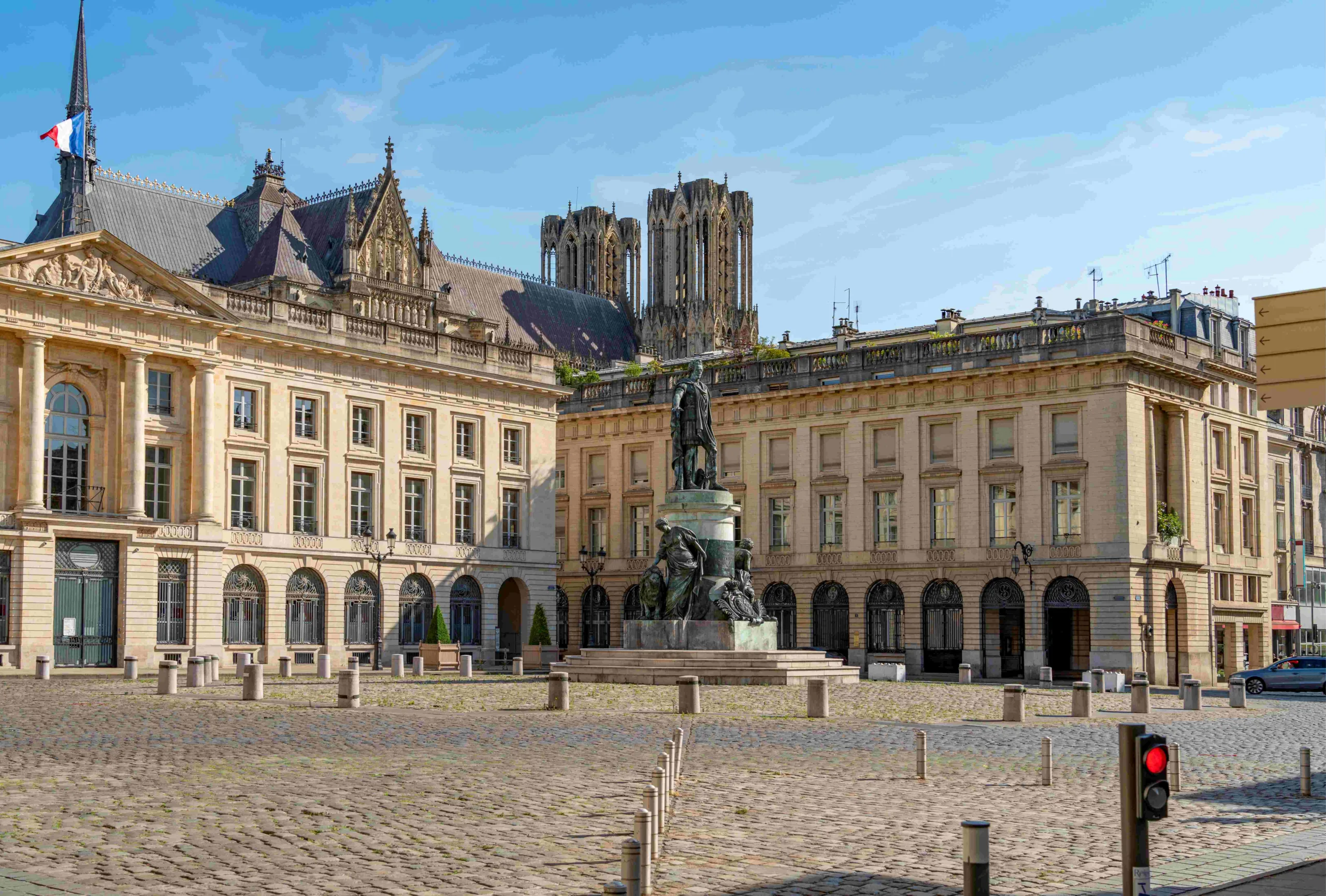
1. Reims
There’s no way to start this ranking without placing Reims at the top. The region’s true historic capital, this prestigious city embodies the soul of Champagne. Marked by its central role in French history, it is famous as the city where French kings were crowned, a legacy immortalised by the imposing Reims Cathedral (Notre-Dame de Reims), a masterpiece of Gothic art and a UNESCO World Heritage Site. Its spectacular architecture, its stained-glass windows by Marc Chagall and its sculpted facade make it an unmissable monument. Reims is also a major site of remembrance, home to the surrender room where the act marking the end of the Second World War in Europe was signed. Beyond its historic heritage, the city thrives on its cultural energy, its university and its lively arts scene. It is also inseparable from Champagne wine: its thousand-year-old cellars, carved into the chalk, hold millions of bottles patiently ageing at prestigious houses such as Veuve Clicquot, Ruinart and Pommery. A city of prestige and energy, Reims combines architectural elegance, strong economic activity and cultural influence.
2. Épernay
Known as the capital of Champagne, Épernay is an essential destination for any wine-tourism enthusiast. Located at the heart of the Champagne vineyards, it is known for its famous Avenue de Champagne, a UNESCO World Heritage Site. This grand avenue is lined with historic mansions and townhouses that are home to the biggest Champagne houses, such as Moët & Chandon and Mercier. Beneath the avenue, more than a hundred kilometres of cellars stretch out like an underground maze, testament to the patient, meticulous work of Champagne’s winegrowers. But Épernay isn’t just about wine. It’s a pleasant town, with a peaceful centre, tree-lined parks and a friendly local life. Its tourist appeal rests on a well-balanced mix of cellar visits, exploring the terroir, regional gastronomy and scenic walks along the Champagne Tourist Route. From the viewpoint or the tethered hot-air balloon, the view over the Champagne hillsides is a real highlight of the visit.
3. Châlons-en-Champagne
Often overlooked, Châlons-en-Champagne fully deserves its place in this ranking. The former capital of the chalky Champagne region, it stands out for its peaceful character and understated elegance. Crossed by several canals, it is often nicknamed the sparkling Venice, a nod to its gentle way of life and its watery reflections. Its historic heart is home to remarkable heritage, including the majestic Collegiate Church of Notre-Dame-en-Vaux, a UNESCO-listed site, and Saint-Étienne Cathedral, a Gothic architectural gem. Châlons also stands out for its cultural vitality, driven by institutions such as the internationally renowned National Centre for Circus Arts. Its boat trips, its old town with its colourful facades, its romantic gardens and its packed events calendar make it a city rich in visual and sensory experiences. It embodies a serene, authentic, poetic side of Champagne.
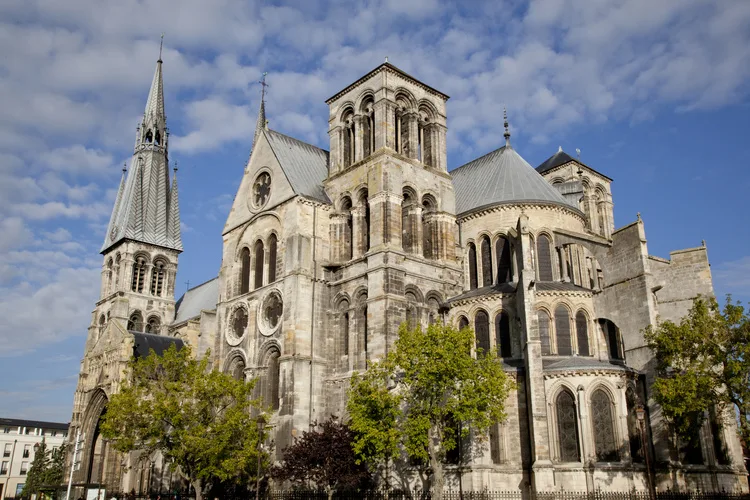
4. Troyes
With its unique medieval centre shaped like a Champagne cork, Troyes is a city of art and history whose charm is felt immediately. Its cobbled streets lined with colourful half-timbered houses transport visitors into a historic setting worthy of a painting. A city steeped in heritage, it was a major hub for the Champagne fairs in the Middle Ages, an international trading crossroads. Troyes boasts an exceptional religious heritage, with around ten listed churches, including the magnificent Cathedral of Saint-Pierre-et-Saint-Paul and the church of Sainte-Madeleine. It also draws visitors with its warm atmosphere and its craft identity, still alive today through traditional workshops and shops. Its proximity to the Forest of Orient nature park and its lakes also makes it an ideal base for combining culture and nature. Today, Troyes is also known for its factory outlet stores and its economic dynamism linked to the textile industry, further boosting its appeal.
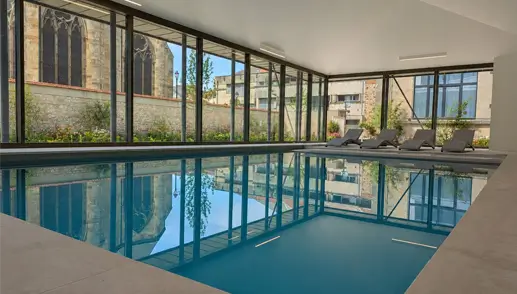
Discover our move-in-ready apartments and book your next getaway in the heart of the city.
5. Hautvillers
No mention of Champagne’s iconic towns would be complete without Hautvillers, the true historic birthplace of Champagne. It was in this charming village, perched above Épernay, that the Benedictine monk Dom Pérignon perfected the Champagne-making method in the 17th century. The village charms visitors with its steep streets, its stone houses with wrought-iron signs and its spectacular views over the Marne valley. Hautvillers perfectly embodies the identity of the Champagne vineyards, combining tradition, expertise and terroir. Its abbey, now owned by a major Champagne house, remains a symbolic site in the history of winemaking. Hautvillers is also known for its craftspeople, its independent winegrowers and its vineyard trails. It’s a place of authenticity where you can deeply feel Champagne’s culture.
6. Ay-Champagne
Neighbouring Hautvillers, the town of Ay-Champagne is another pillar of Champagne’s wine-growing heritage. Known for producing some of the best grand cru Champagnes, it is home to prestigious houses such as Bollinger and Deutz. This historic wine town blends tradition with economic dynamism, driven by the rise of wine tourism. Its elegant streets, grand townhouses and distinctive architecture reflect the prosperity linked to the vineyards. Ay-Champagne also offers direct access to nature, with its rolling landscapes listed as a UNESCO World Heritage Site. A town full of character, it attracts travellers and connoisseurs in search of authentic wine experiences.
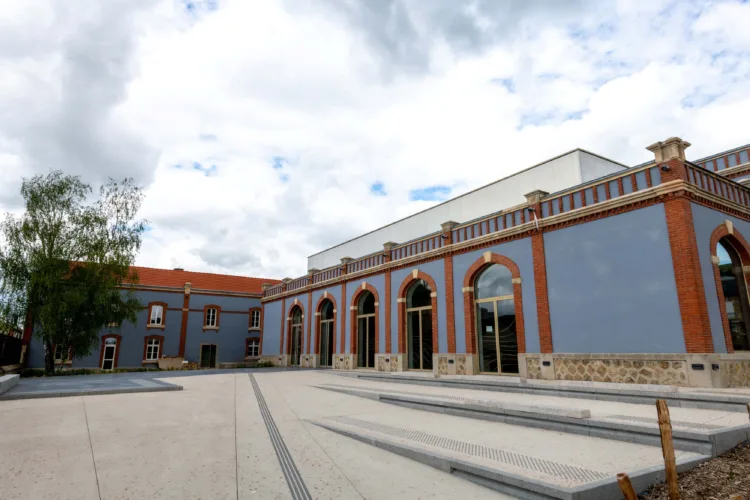
7. Sézanne
Located in the south of the Marne, Sézanne is a town of undeniable charm that has managed to preserve its authenticity. Its medieval historic centre is dominated by the church of Saint-Denis, a remarkable Gothic monument. Sézanne charms visitors with its peaceful atmosphere and rural setting, surrounded by valleys, wooded hills and a well-regarded wine-growing area. Listed among France’s most beautiful detours, it makes an ideal stop for discovering a more intimate side of Champagne, away from the bustle of the bigger cities. Its friendliness, heritage and quality of life make it a well-loved stop.
8. Langres
Perched on a promontory, Langres impresses with its powerful fortifications, stretching over three kilometres, among the best preserved in Europe. This historic town in the Haute-Marne offers an exceptional panorama over the surrounding plateaus. Known as the birthplace of the philosopher Denis Diderot, it boasts a rich architectural heritage, including its Saint-Mammès Cathedral. Langres combines heritage, culture and nature, as it lies close to several lakes ideal for water sports and outdoor activities. Its heritage and monumental character make it a major stop for tourism in Champagne.
9. Chaumont
Both cultural and historic, Chaumont is the prefecture of the Haute-Marne and charms visitors with its distinctive artistic identity. It is internationally recognised for its Poster and Graphic Design Festival, a major event that attracts creatives from all over the world every year. Its impressive viaduct, dating from the 19th century, symbolises its architectural heritage. Its historic centre is home to picturesque streets, old houses and several museums showcasing local history. Chaumont represents a creative, inspiring side of Champagne, firmly focused on the visual arts.

10. Bar-sur-Aube
The final stop on this ranking, Bar-sur-Aube embodies the peaceful soul of southern Champagne. A town steeped in history, it was a strategic location during the Champagne fairs in the Middle Ages. Its heritage can be discovered through its old houses, its church of Saint-Pierre, its townhouses and its green landscapes bordering the River Aube. Located not far from the Côte des Bar, a thriving wine-growing area, Bar-sur-Aube also draws visitors thanks to its proximity to the Forest of Orient regional nature park. It perfectly illustrates the harmonious union between Champagne heritage, unspoilt nature and local traditions.