

What are valid reasons for a business trip?
The business trip plays an essential role in the life of companies and organisations, meeting strategic, operational or relationship-based needs that can’t always be met remotely. Despite the rise of digital tools and hybrid ways of working, some tasks still require a physical presence to ensure the quality of discussions, build partnerships or carry out specific operations. A business trip isn’t just an administrative or logistical matter: it reflects an organisation’s momentum, its ability to plan ahead, collaborate and represent its expertise on the ground. Understanding the valid reasons for a business trip helps assess their relevance, ensure they comply with internal policies, and better understand how companies adapt to the needs of an ever-changing world of work.

Why travel to meet a client or partner?
One of the most common reasons for a business trip is the need to meet a client or a strategic partner. Despite the digitisation of communication, certain stages of a business relationship still call for direct interaction, whether negotiating a contract, closing an important sale, strengthening a partnership or resolving a dispute. Being physically present helps build trust, read non-verbal cues and demonstrate the company’s commitment to the relationship. Meeting a partner at their site also makes it easier to understand their constraints, expectations and operational environment, which can help improve service quality. The business trip thus becomes an essential lever for building a lasting relationship, adding credibility to a project and asserting the organisation’s business expertise.
Why visit a site for a technical or operational task?
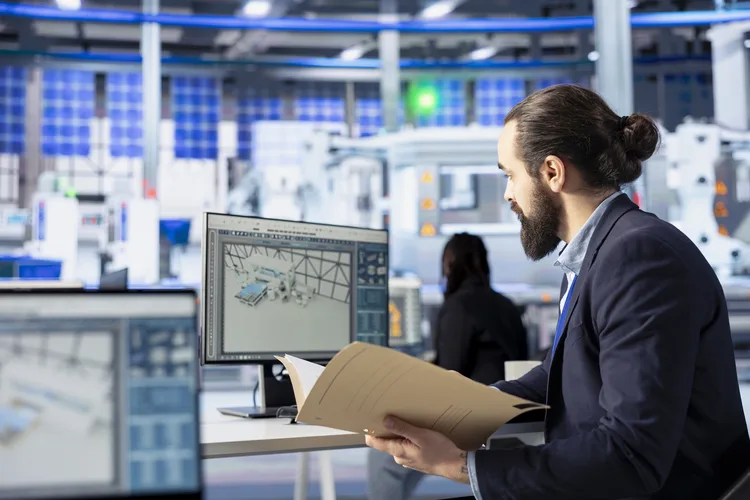
Some tasks absolutely require an on-site presence, particularly technical assignments, audits, maintenance or quality control. In these situations, the business trip meets a concrete need: being physically present to carry out an installation, make a repair, check a procedure or support a local team. The technical dimension of these tasks often cannot be handled remotely, as it involves hands-on expertise or specific handling. For industrial, technology, medical or logistics sectors, the business trip ensures that the work meets standards, safety requirements and operational deadlines. It also allows infrastructure to be assessed, an issue to be diagnosed in real time and a suitable solution to be provided. This type of trip is thus part of a broader focus on performance, efficiency and professional rigour.
Discover our move-in-ready apartments and book your next getaway in the heart of the city.

Why attend a training course, trade show or seminar?
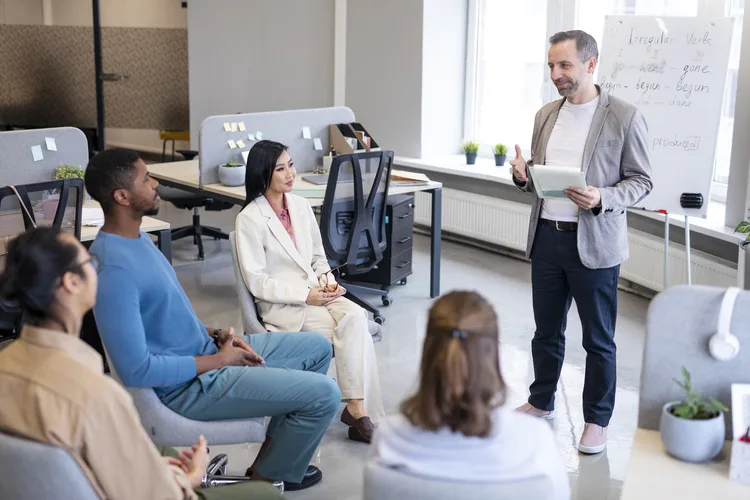
Attending training, a trade show or a seminar is another valid reason for travel. These events play a driving role in developing skills and spreading innovation within a company. Attending in-person training means benefiting from direct guidance, trying out tools, asking specific questions and networking with other professionals. Trade shows, meanwhile, are essential places to discover new products, market trends and technological developments. They allow companies to meet suppliers, observe competitors and boost their visibility. Seminars and conferences, finally, encourage the sharing of experience, strategic thinking and the adoption of best practices. Business travel linked to these events thus helps strengthen collective expertise, internal innovation and the organisation’s ability to adapt.
Why might travel be necessary to manage an emergency situation?
Some unforeseen situations call for a rapid response and fully justify a business trip. This may involve a major technical problem, an incident affecting production, a dispute requiring a physical presence, or a crisis situation requiring direct action. In these contexts, travel allows for an effective response, limiting damage and making informed decisions while on site. Teams on the ground then benefit from stronger support, additional expertise or decision-making authority that can speed up the resolution of the problem. These emergency situations show that business travel isn’t always planned: it can be triggered by critical operational issues, where responsiveness and a human presence become decisive for business continuity.

Why are some trips linked to a company’s internal management?
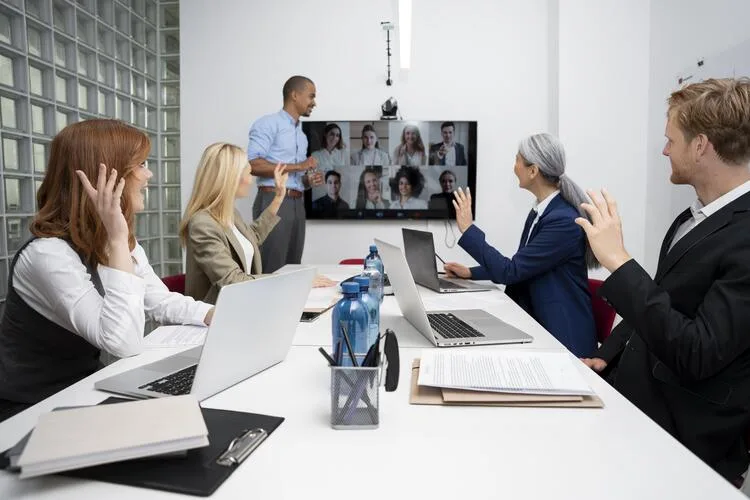
Business travel can also meet internal needs linked to company management, coordination between teams or project oversight. Managers, executives or team leaders sometimes need to visit different sites to assess a project’s progress, support an organisational change or help colleagues through an important transition. This type of trip encourages dialogue, clarifies objectives and maintains a strong human connection within the organisation. It may also involve follow-up visits, internal audits, interviews, or support during the onboarding of new colleagues. A physical presence strengthens management consistency and allows for direct communication, often smoother and more constructive than remote exchanges. In a context where teams may be spread across several sites or working in hybrid ways, these trips become essential for preserving internal cohesion and ensuring the company runs smoothly overall.