

What is a hotel complex?
The growth of international tourism, the rise of business travel and the search for ever more complete experiences have led to the emergence of the hotel complex as a category of accommodation in its own right, capable of meeting the need for relaxation, dining, leisure and work all at once. More than a simple hotel, a hotel complex brings together, in a single location, a range of services and facilities designed to offer a wide variety of activities without ever leaving the establishment. This integrated approach appeals to families and businesses alike, as well as to business travellers, groups or holidaymakers wanting to combine rest, comfort and entertainment in a harmonious setting. Understanding what a hotel complex is means looking at its structure, its distinctive features, how it operates and the reasons for its success in a market where traveller expectations keep diversifying.
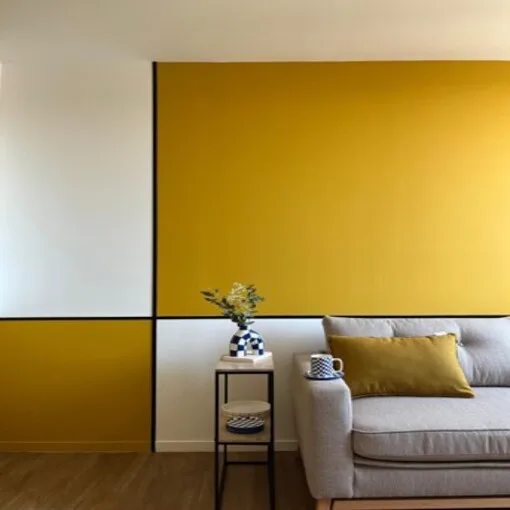
What is a hotel complex?
A hotel complex is a structure bringing together several accommodation spaces within a single estate, combined with a wide range of services and leisure facilities. Unlike a traditional hotel, mainly focused on accommodation and dining, a hotel complex offers a genuinely complete experience, integrating different areas for relaxation, sport, wellbeing or entertainment. This approach aims to give guests total independence, letting them enjoy their stay without ever needing to leave the establishment. Hotel complexes may include rooms, suites, villas or bungalows, as well as a range of restaurants, swimming pools, spas, sports facilities or event spaces. This diversity makes the hotel complex a destination in its own right, designed to meet a wide range of expectations and let every visitor tailor their experience to their preferences.
How does a hotel complex operate?
A hotel complex operates through professional management capable of running several complementary activities at once. Management coordinates the various services to ensure smooth operation, whether in accommodation, dining, leisure or event hosting. The establishment must guarantee a consistent quality of service across all its facilities, whether managing rooms, running swimming pools, maintaining green spaces or overseeing sports activities. Teams work in a coordinated way to respond quickly to guest requests, maintain a pleasant, safe atmosphere and ensure services are consistently available. A hotel complex functions like a small town, where each area serves a specific but complementary function: relaxation, sport, work, wellbeing or entertainment. This operational synergy is the strength of this type of establishment, as it guarantees a consistent, harmonious experience.
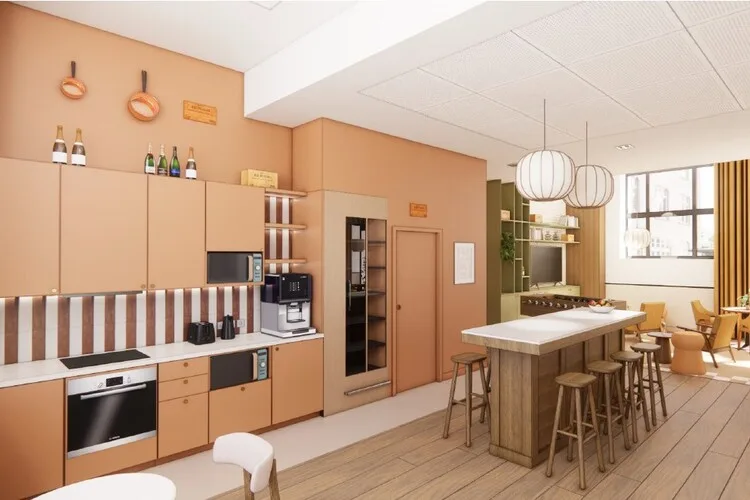
Discover our move-in-ready apartments and book your next getaway in the heart of the city.
What services can you find at a hotel complex?
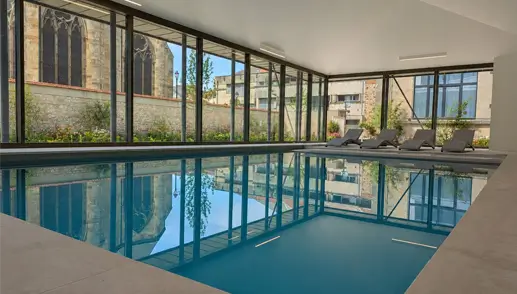
A hotel complex stands out for the richness and variety of its hotel amenities, designed to offer a complete stay. It often includes several restaurants serving different cuisines, bars, wellness areas with spas, saunas or steam rooms, as well as indoor and outdoor swimming pools. Sports facilities may include gyms, tennis courts, golf courses, multi-sports pitches or water sports activities, depending on the location. Some complexes also offer entertainment, shows, kids’ clubs or services dedicated to families. Business spaces are not left out either, with meeting rooms, auditoriums and conference centres able to host seminars or corporate events. This diversity reflects the purpose of the hotel complex: to offer a complete experience by combining accommodation, leisure, dining and work in a single environment.
Why do hotel complexes appeal so much to travellers?
Hotel complexes appeal to travellers for their ability to offer a wide range of activities in a single unified space, creating total comfort for visitors. Families appreciate the option to vary their leisure activities without having to organise daily outings, while couples look for peace and quiet and integrated wellness services. Business travellers find these establishments an ideal setting for alternating between work and relaxation, with high-performing business facilities combined with relaxation areas. Groups and event organisers favour hotel complexes for their large capacity and versatility. This type of establishment meets a growing need for simplicity, safety and a personalised stay. The option of having a complete environment, moving from the pool to the meeting room, or from the restaurant to the spa, perfectly illustrates why hotel complexes are so successful worldwide.
How does a hotel complex differ from a traditional hotel?
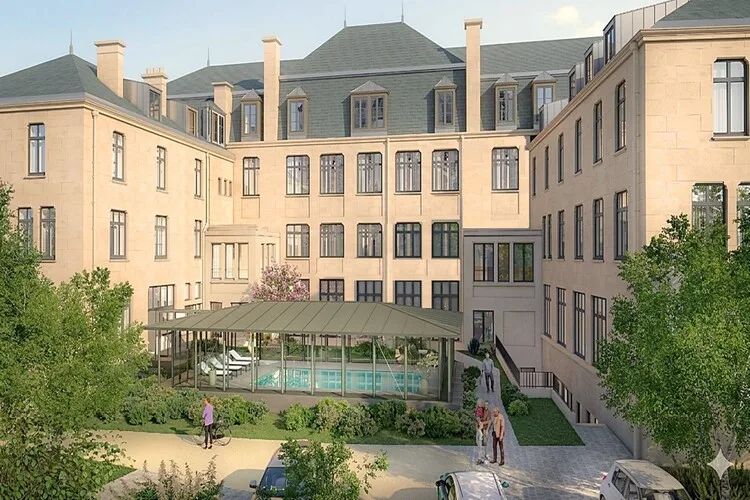
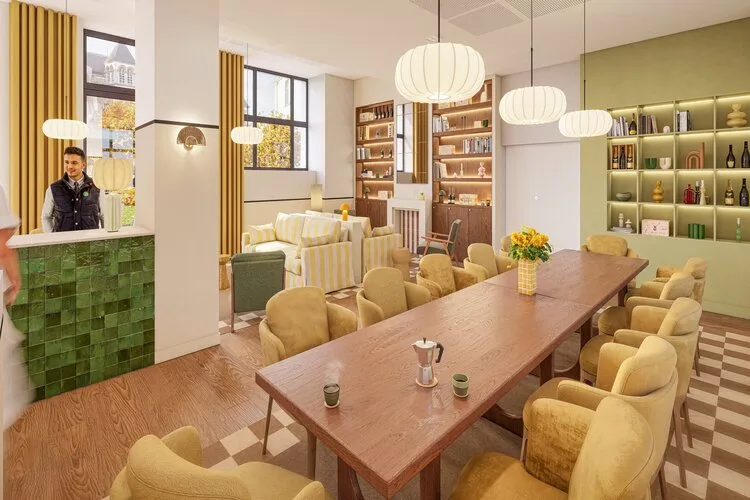
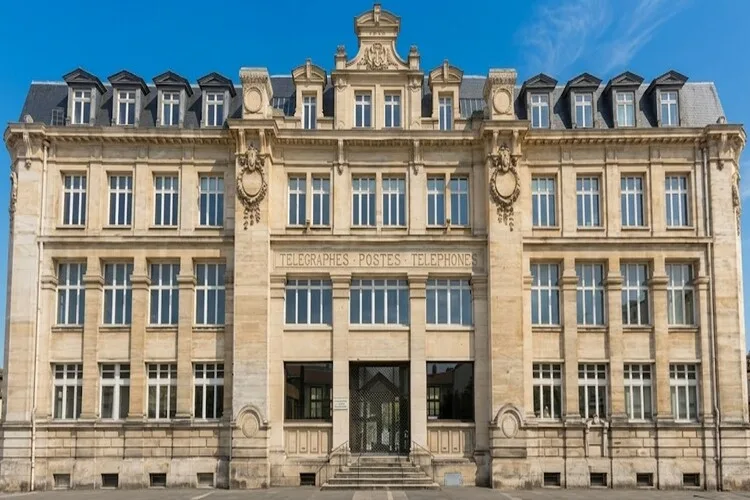
A hotel complex differs from a traditional hotel in its scale, the diversity of its facilities and its ability to offer an immersive experience. Where a traditional hotel focuses mainly on accommodation and dining, a hotel complex combines several worlds within a single site. The architectural dimension also plays an important role, as these establishments are often built on large estates, with landscaped gardens, multiple buildings and structures dedicated to leisure. A hotel complex offers total independence, a wide variety of experiences and an immersion not found in traditional hotels. It meets the expectations of travellers wanting an all-in-one environment, capable of adapting to varied needs without losing quality or consistency. This ability to offer a rich, flexible, multi-faceted stay makes the hotel complex a distinct type of accommodation, perfectly in step with the evolution of modern tourism.