

What is the difference between a hotel and a palace?
In the world of upscale hospitality, the distinction between a hotel and a palace often sparks interest among travellers seeking excellence. While both offer a high level of comfort, service and refinement, the palace hotel represents a category all of its own, reserved for exceptional establishments whose reputation rests on precise criteria, a distinctive history and an unmatched level of prestige. This rare, strictly regulated title reflects extreme standards in hospitality, design, gastronomy and the guest experience. Understanding what sets a hotel, even a luxury one, apart from a palace helps clarify the nuances that define excellence in hospitality and grasp what makes an establishment a legendary place, associated with a unique way of life.
In the world of upscale hospitality, the distinction between a hotel and a palace often sparks interest among travellers seeking excellence. While both offer a high level of comfort, service and refinement, the palace hotel represents a category all of its own, reserved for exceptional establishments whose reputation rests on precise criteria, a distinctive history and an unmatched level of prestige. This rare, strictly regulated title reflects extreme standards in hospitality, design, gastronomy and the guest experience. Understanding what sets a hotel, even a luxury one, apart from a palace helps clarify the nuances that define excellence in hospitality and grasp what makes an establishment a legendary place, associated with a unique way of life.

What is a top-tier hotel?
A top-tier hotel is an establishment offering superior comfort, professional service and a consistently high standard of hospitality designed to deliver a pleasant, reliable experience. Whether it falls into the four- or five-star category, it meets precise standards for room size, amenities, hotel services, dining and facilities. These hotels focus on quality bedding, impeccable cleanliness, staff availability and a wide range of services designed to make the stay easier. An upscale hotel may offer swimming pools, spas, gyms, fine-dining restaurants and meeting spaces. The priority remains guest satisfaction and the ability to offer a complete experience, combining hospitality, efficiency and elegance. However luxurious it may be, though, a hotel cannot claim the title of palace without meeting additional requirements relating to rarity, history and absolute service excellence.
What defines a palace hotel?
A palace hotel is an exceptional establishment recognised for its unmatched level of prestige, its perfectly personalised service and its strong identity. In France, this title is awarded by Atout France, the official hotel classification body, and is reserved solely for five-star establishments meeting even stricter criteria. A palace hotel stands out for its history, often closely tied to a prestigious destination, its remarkable architecture and its ability to offer truly tailored service. Staff know what guests expect before they even ask, and every detail helps create a unique atmosphere. A palace hotel doesn’t just provide luxurious service: it offers an experience where refinement, discretion, creativity and the art of hosting reach a rarely matched level of excellence. The palace label rewards exceptional expertise that turns these establishments into legendary places, sought after for their aura and their perfection.

Why is service the main difference between a hotel and a palace?
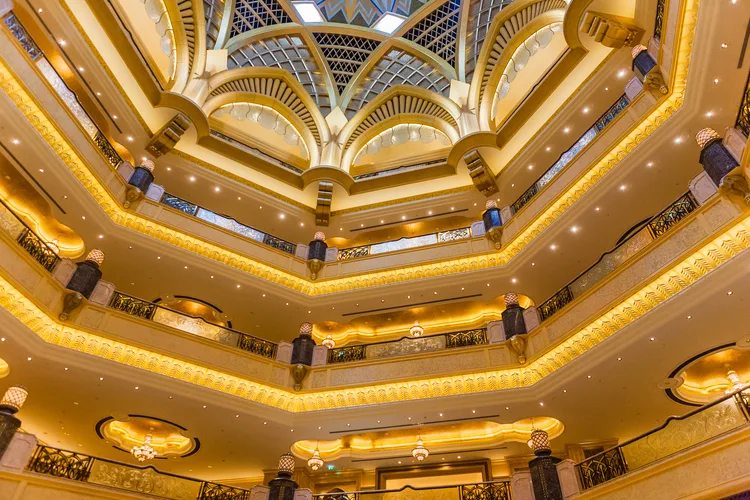
The fundamental difference between a luxury hotel and a palace lies in service, which goes well beyond traditional standards to reach a rare level of exclusivity. In a palace hotel, service is designed to be anticipatory: staff pay close attention to every detail, remember guests’ preferences, adapt their behaviour and personalise every interaction. The concierge takes on an exceptional dimension, capable of organising unique experiences, achieving the seemingly impossible or handling highly specific requests. A palace hotel also excels at remarkable time management, letting guests enjoy a smooth stay, free of any logistical constraints. The aim is to offer a fully individualised experience where every guest feels unique and valued. This approach clearly sets a palace hotel apart from a traditional hotel, even a five-star one, and contributes to its iconic status in the world of hospitality.
Discover our move-in-ready apartments and book your next getaway in the heart of the city.
How do facilities and surroundings set a palace hotel apart?
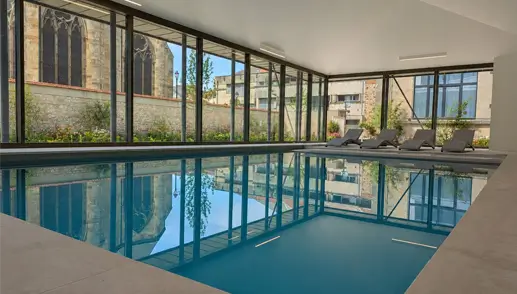
Facilities play an essential role in distinguishing a luxury hotel from a palace. A palace hotel’s architecture is often defined by impressive proportions, fine materials, rare elegance in its decor and an architectural heritage that tells a story. Whether housed in a renovated historic building or an exceptional contemporary creation, a palace hotel offers a setting where every space is designed to inspire admiration. Rooms and suites here are particularly spacious, often with spectacular views, upscale amenities and exclusive services. Restaurants, often led by Michelin-starred chefs, exceptional spas, sumptuous gardens, refined lounges and private spaces all contribute to a unique atmosphere. A palace hotel offers a setting that goes beyond mere functionality, adding an artistic and emotional dimension, rooted in authentic luxury where beauty and comfort come together.

Why do prestige and history play such a key role in the distinction between a hotel and a palace?
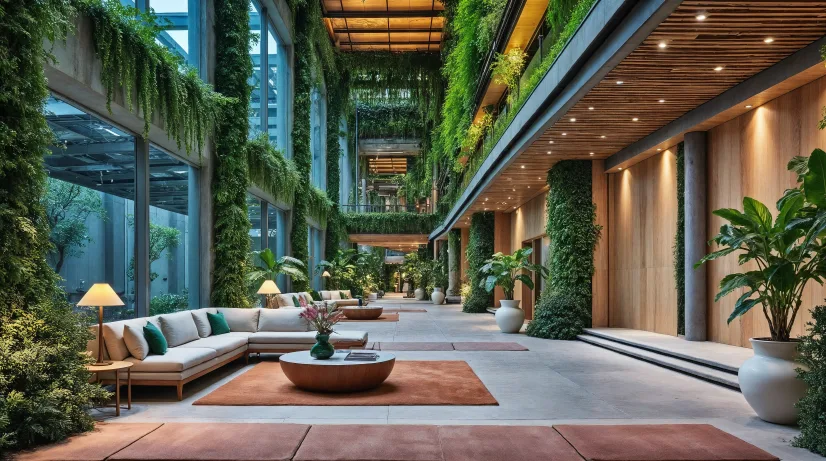
An establishment’s prestige and history are major factors that set a hotel apart, even a very upscale one, from a palace. This title is generally part of a historic continuity spanning decades, or even centuries, of elegance, hospitality and international renown. Palace hotels have hosted celebrities, artists, diplomats and influential figures who have helped build their legend. They become symbols of an era, a way of life or a culture, giving them an unmatched aura. A palace hotel’s history contributes to its unique character: it can be read in its architecture, its traditions, in the way it has evolved while preserving its identity. This prestige is not artificial; it is the result of a preserved heritage and hotel expertise passed down from generation to generation. A palace hotel thus embodies more than accommodation: it becomes an inspiring place, full of emotion, that deeply marks the experience of its visitors.