
Which vineyard to visit in Champagne?
A global symbol of excellence and refined living, Champagne alone conjures up sophistication and celebration. Behind the golden glow of its bubbles, this region in north-eastern France holds a unique wine-growing heritage, the result of centuries of expertise and passion. Spanning more than 30,000 hectares, the Champagne vineyards spread around iconic towns such as Reims, Épernay and Châlons-en-Champagne, blending prestigious cellars, rolling landscapes and picturesque villages. For wine-tourism enthusiasts, Champagne is an exceptional region, where every estate tells a story and every tasting becomes a sensory journey.
Why is the Champagne vineyard so special?
What sets the Champagne vineyards apart from other wine regions around the world is, above all, the distinctiveness of the terroir. The chalky soils, well-exposed hillsides and temperate climate offer ideal conditions for growing the three main grape varieties: Chardonnay, Pinot Noir and Meunier. This geological and climatic alchemy gives Champagne wine its finesse, freshness and aromatic complexity.
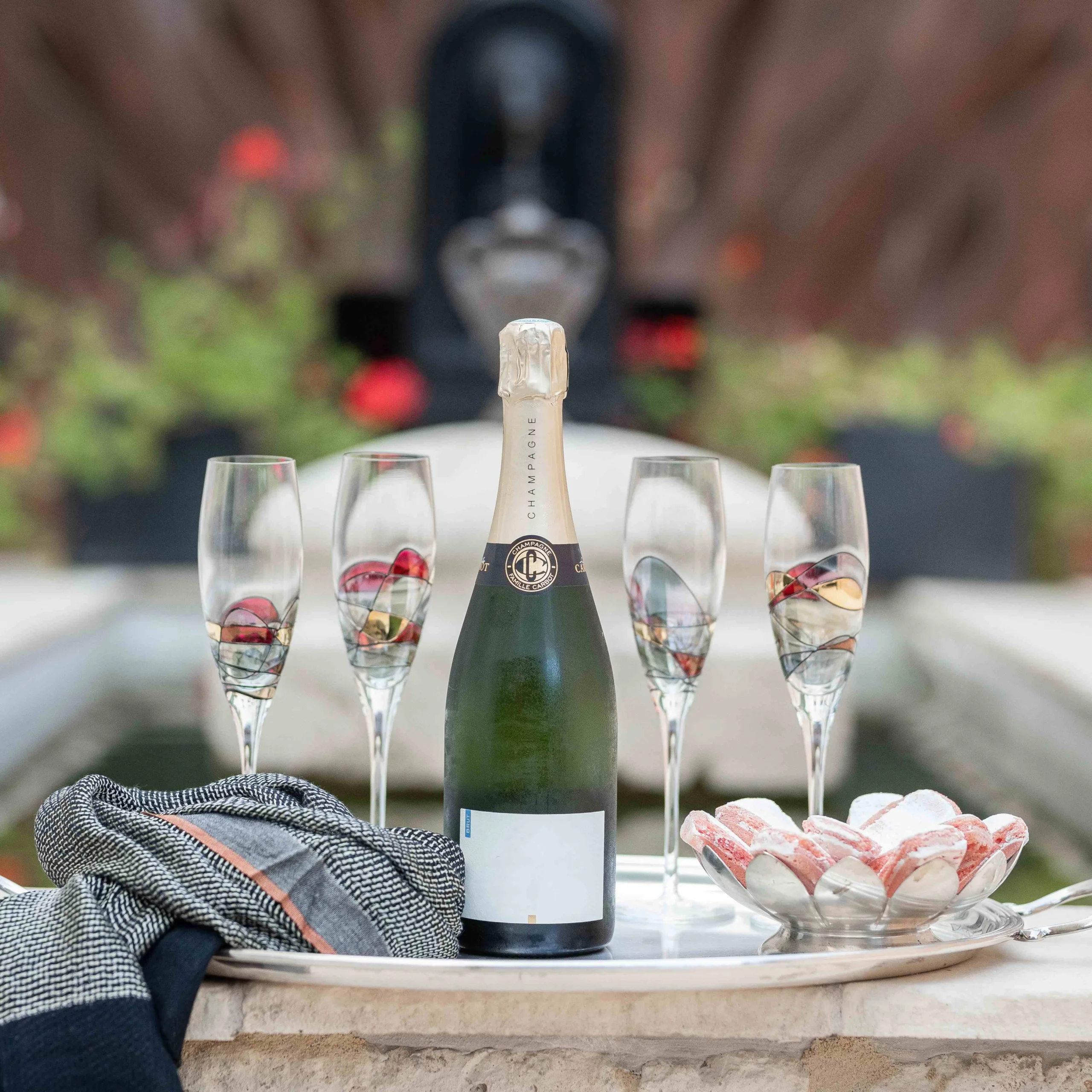
But the true strength of the Champagne terroir lies in the production method. Champagne is not a wine like any other: it is the result of a second fermentation in the bottle, known as the prise de mousse, which creates its legendary sparkle. This technique, refined over the centuries, relies on remarkably precise expertise, passed down from generation to generation.
Beyond the technique, the vineyards embody a living heritage. Champagne’s winegrowers, whether they own major houses or run independent estates, share the same commitment to quality. Each shapes their own identity through blending, ageing and bottling, creating a mosaic of styles that gives the region its richness. Travelling along the wine routes, you discover this diversity, but also a shared philosophy: a deep respect for the land, for time and for tradition.
Discover our move-in-ready apartments and book your next getaway in the heart of the city.
What experience awaits at the heart of the Champagne vineyards?
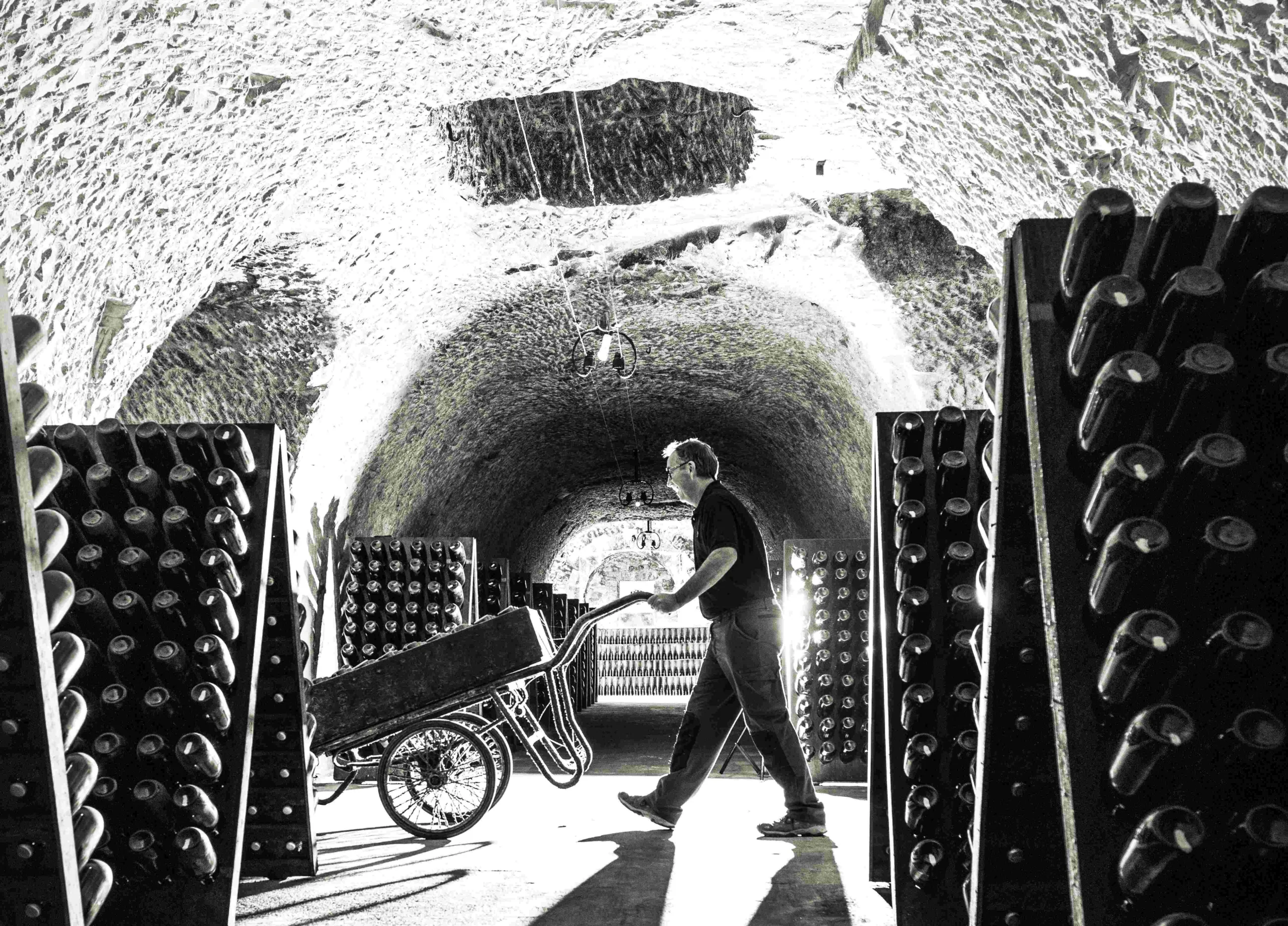
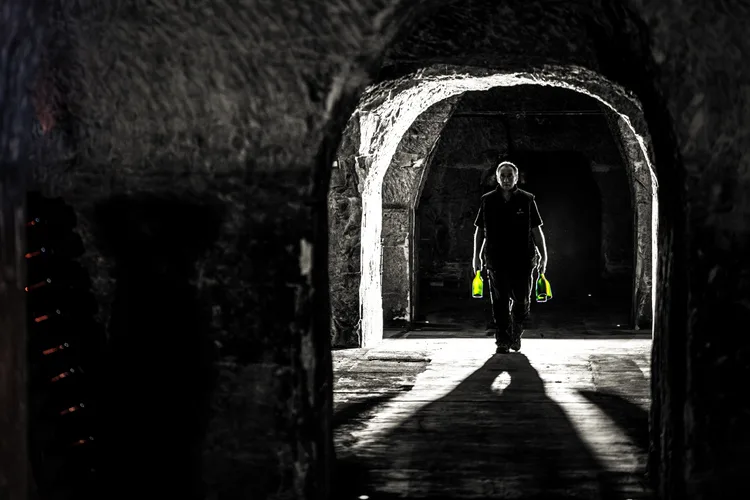
Exploring wine-growing Champagne is far more than a simple tasting tour. It’s an immersion in a way of life, an encounter with passionate craftspeople and a discovery of the close bond between the land and the wine. Cellar visits are an essential part of the experience. Some, carved directly into the chalk, stretch for kilometres through underground galleries where millions of bottles rest. Walking through these labyrinths feels like travelling back in time, revealing the patience needed to make Champagne.
The Champagne wine landscape, a UNESCO World Heritage Site, can also be discovered along the scenic routes winding between the villages. Each season brings a different look: the golden hues of autumn, the white of winter, the fresh green of spring or the summer warmth of the grape harvest. This remarkably beautiful setting invites quiet contemplation and leisurely exploration, offering an experience that is as visual as it is flavourful.
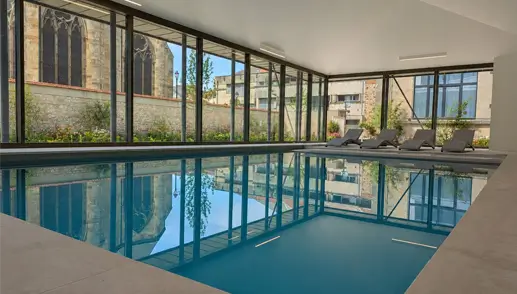
To extend this break, the town of Châlons-en-Champagne makes an ideal base. Less touristy than Reims or Épernay, it charms visitors with its quiet charm, Gothic monuments and romantic canals. For visitors wanting to stay somewhere elegant and central, Arbellia Appart’hôtel stands out as a top choice. This upscale apart-hotel, located in the town centre, combines contemporary refinement with total comfort. Its spacious suites, intimate atmosphere and proximity to the main cultural sites make it an ideal stopover after a day exploring the surrounding vineyards.
How does Champagne’s wine culture influence regional gastronomy?
There’s no talking about Champagne without mentioning its gastronomy, as wine and food go hand in hand so harmoniously here. Thanks to its aromatic diversity, Champagne pairs with a huge range of dishes, from the simplest fare to the most elaborate gastronomic creations. Restaurants in Châlons-en-Champagne, Épernay and Reims compete with creativity to offer perfect pairings between local cuvées and regional produce.
Champagne cuisine favours bold, elegant flavours. Here you’ll find iconic specialities such as andouillette from Troyes, ham from Reims, white pudding from Rethel and Champagne lentils. These dishes, paired with a brut, rosé or vintage Champagne, reveal new taste dimensions. Some of the region’s chefs, Michelin-starred or not, work directly with winegrowers to design menus built around the different expressions of the wine.
The culinary experience also extends to local markets and brasseries, where fresh produce and conviviality reign supreme. Visitors can enjoy typical dishes here while soaking up the authentic atmosphere of Champagne’s villages. Regional gastronomy is thus a natural extension of the vineyards: it celebrates flavour, sharing and precision.
Why is visiting Champagne such a unique experience?
Champagne is more than just a wine region; it embodies a genuine philosophy of life. Here, every gesture, every harvest and every bottle tells a story of patience and passion. Visiting its vineyards means discovering the deep relationship between people and nature, combining rigour and emotion. The landscapes, the encounters and the flavours all come together to offer a complete experience, both sensory and cultural.
Along the routes, visitors discover a region of contrasts, where monumental cellars sit alongside family-run estates, and where age-old traditions blend with winemaking innovation. Champagne also stands out for the warmth of its welcome: winegrowers are happy to share their expertise, proud to carry on a tradition admired the world over.
To make the most of this immersion, staying in Châlons-en-Champagne allows you to combine wine discovery with urban relaxation. Arbellia Appart’hôtel, a true haven of peace in the heart of the town, embodies this blend of refinement and authenticity. After a day spent exploring the hillsides and tasting local cuvées, it offers an elegant, calming setting, much like Champagne itself: a land of prestige, conviviality and emotion.